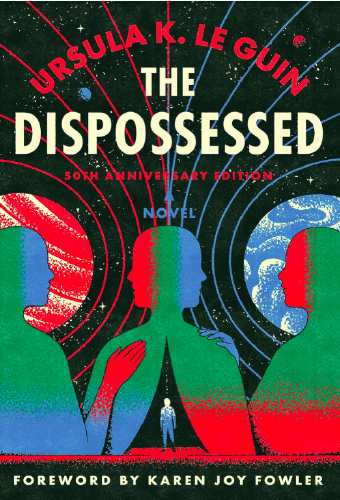
Rereading “The Dispossessed” as an adult, I’m floored by how much Le Guin packs into this story—politics, philosophy, love, and the messiness of trying to build a better world. Shevek is one of the most human scientist-heroes I’ve ever read: brilliant, stubborn, and heartbreakingly earnest. His journey between the harsh, communal world of Anarres and the seductive, flawed Urras is both a mind-bending thought experiment and a deeply personal quest.
What hits hardest now is how Le Guin refuses to give easy answers. Both societies are broken in their own ways. The real revolution, she suggests, is never finished—it’s about questioning, connecting, and staying open to change. The book’s not just about anarchism or utopia; it’s about how hard (and necessary) it is to keep imagining something better, even when it feels impossible.
Still one of the smartest, most moving sci-fi novels out there. Every time I read it, I see something new—and I end up questioning my own assumptions all over again.
Project Idea
For an upcoming data visualization project, I am building visualizations of utopic and dystopic worlds using data from our current world, as well as historic newsprint articles in Denver’s Central Library archives that talk about predicted futures that never came to be. I’m interested in visualizing a “History of the Future”, and forked futures that were lost in branches of time to human decisions that either made things better or worse.
Rather than only using code for creating art, I’d like to make water color drawings, newspaper prints, and multimedia art in physical form instead.
I’ll document my progress on this project in Sketches and Field Notes.